Notes on context, governance, and agents.
Design notes and lessons from building FELLOW: what it takes to give an agent context it can actually trust, and where that breaks in practice.
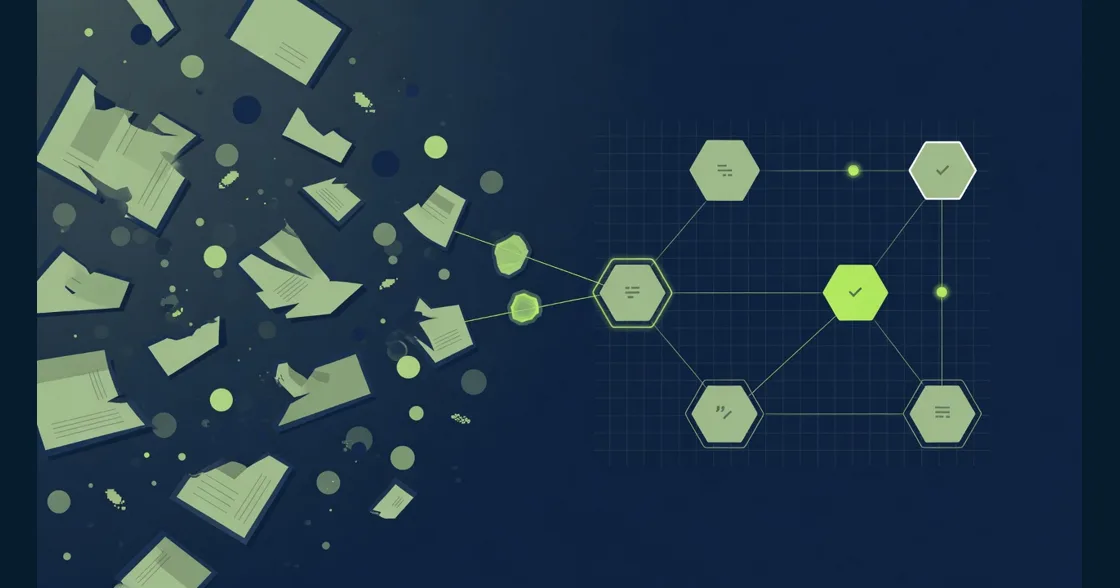
When agents need a map, not a nearest neighbor
Chunking destroys structure, similarity is not truth, and re-embedding is ops hell. Keep RAG for archives; put cited facts and linked shapes under decisions.

Why enterprise RAG plateaus at mediocre answers
IBM, Uber, Dropbox, Salesforce, Spotify, and Rabobank all describe the same failure: retrieval was already good enough. Answer quality stalled on governance, not the retriever.
Long-horizon memory in leading AI agent frameworks
LangGraph, OpenAI Assistants, Claude Agent SDK, and AutoGPT Platform all handle multi-month memory differently, and none let you treat built-in memory as the source of truth.
Organizational memory: from knowledge management to AI agent memory
The 1990s KM movement already worked out the hard problems AI memory is rediscovering: memory is distributed, context is constitutive, and governance isn't optional.
Access control and data governance for enterprise AI
SOC 2, NIST 800-53, GDPR, and HIPAA all converge on one bar for cross-team AI, and most vector databases don't clear it out of the box.
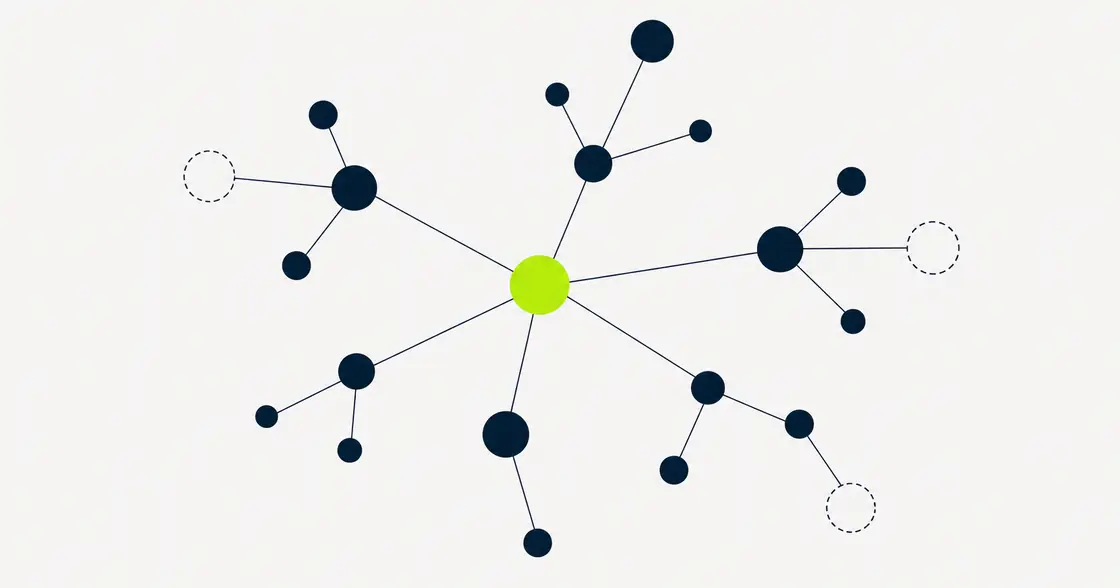
Buyer committees go stale between deal reviews
MEDDIC, Miller Heiman, and Challenger all get implemented as flat CRM records, not living graphs, which is exactly why champion status decays unnoticed.

Context engineering is now its own discipline
Prompt engineering is how you phrase a request. Context engineering is what the model has available at each step, and the shared substrate underneath it is still unowned.
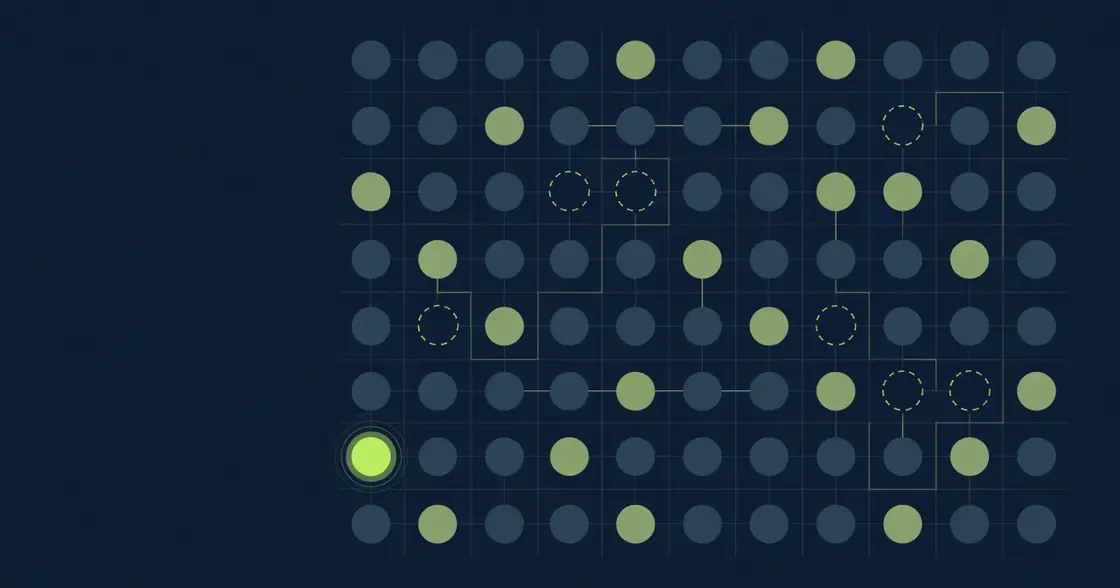
Known gaps as a first-class design pattern
From GitHub issues to Wikidata's unknown-value semantics to selective prediction in AI: unmodeled absence is invisible, modeled absence is governable.
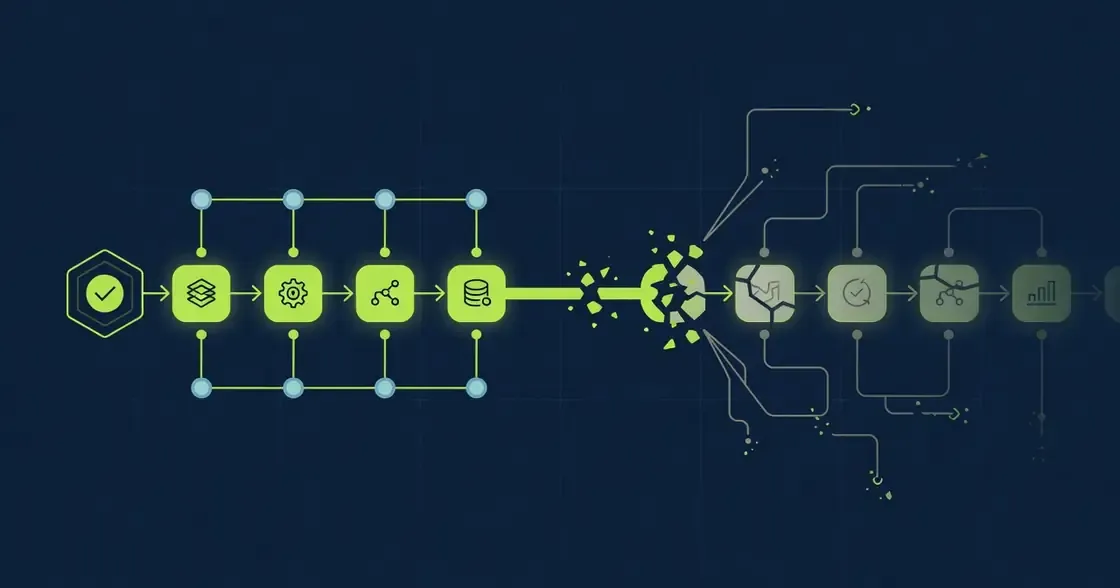
Context failures in production AI
Air Canada, NYC's MyCity bot, Replit, Meta's account recovery flow: the sharpest AI incidents on record weren't hallucinations. They were missing context at the moment of action.
The hidden cost of rebuilding account knowledge
Sellers spend roughly 18% of a 40-hour week reconstructing knowledge the organization already has: about 17,000 hours a year for a 50-rep team.
Want these in your inbox? Join the waitlist, and we'll let you know when we publish something new.